How Fleet Managers Can Optimize Tow Operations for Multiple Vehicles
How Fleet Managers Can Optimize Tow Operations for Multiple Vehicles
Managing a fleet of tow trucks and operators is complex. From assigning the right jobs to the right operators, tracking vehicle locations, and maintaining high service quality, fleet managers must balance efficiency, cost, and safety.
Digital platforms like iTraino allow fleet managers to coordinate multiple operators, track jobs in real-time, and ensure motorists receive fast, reliable service. This article explores strategies fleet managers can use to optimize tow operations for multiple vehicles.
Step 1: Centralize Job Dispatching
Manual dispatching can create delays and confusion. Centralized digital dispatching offers:
-
Real-time job assignments to available operators
-
Automatic job prioritization based on urgency and location
-
Clear visibility of all active, pending, and completed jobs
Centralized dispatch ensures that fleet operators are deployed efficiently and reduces missed or delayed service calls.
Accept verified fleet jobs here:
🔵 https://itraino.com/digital-towing-dispatch-platform
Slug: digital-towing-dispatch-platform
Step 2: Track Vehicles in Real Time
Real-time GPS tracking allows fleet managers to:
-
Monitor tow truck locations for faster response
-
Reassign nearby operators for emergency calls
-
Identify patterns in job requests for optimized coverage
Tracking multiple vehicles simultaneously improves response times and overall operational efficiency.
Step 3: Assign Jobs Based on Operator Skills
Not all tow jobs are the same:
-
Some require heavy-duty equipment or large vehicle handling
-
Others are quick jumpstarts, lockouts, or fuel deliveries
-
Matching jobs to operator skillsets ensures safety and efficiency
Digital platforms help managers filter available operators by skills, certifications, or equipment carried.
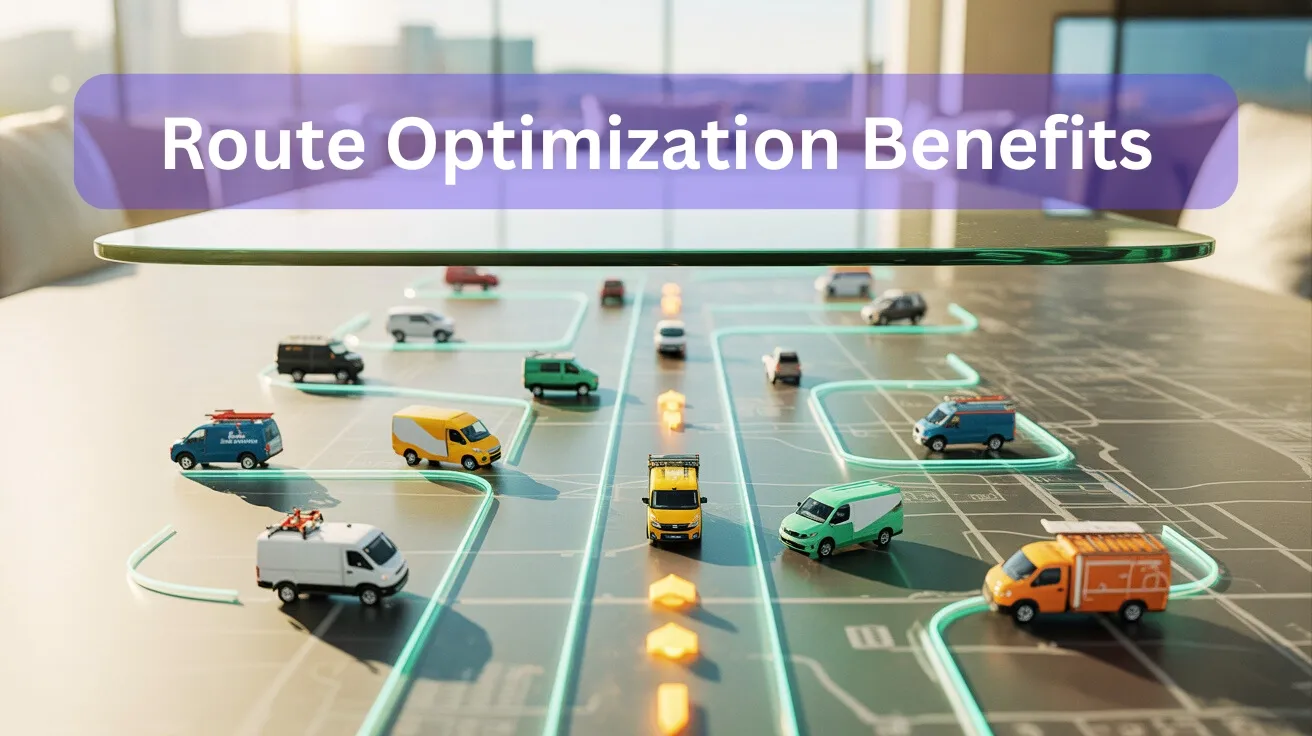
Step 4: Optimize Routes for Multiple Vehicles
Efficient routing saves time and fuel:
-
Use live traffic data to avoid congestion
-
Assign operators to the nearest job locations
-
Coordinate multi-stop assignments for maximum coverage
Route optimization reduces downtime, increases completed jobs, and improves customer satisfaction.
Step 5: Monitor Operator Availability and Performance
Fleet managers must balance workload across multiple operators:
-
Track operator availability and shift schedules
-
Monitor completion times and performance metrics
-
Identify operators excelling at certain service types
Performance monitoring ensures fair workload distribution and operational reliability.
Operator performance tracking:
🔵 https://itraino.com/operator-performance-management
Slug: operator-performance-management
Step 6: Streamline Multi-Service Fleet Coordination
Fleets often provide multiple services:
-
Towing, jumpstarts, tire changes, fuel delivery, and lockouts
-
Digital platforms categorize each service type and assign the right operator
-
Ensures fleet can meet diverse motorist needs efficiently
Managing multi-service fleets digitally improves responsiveness and revenue.
Step 7: Automate Job Notifications and Updates
Communication is critical for fleet operations:
-
Notify operators instantly when a new job is assigned
-
Send updates to motorists regarding arrival times
-
Alert managers to delays, cancellations, or high-priority emergencies
Automated notifications reduce miscommunication and improve service reliability.
Step 8: Maintain Vehicle Readiness Across the Fleet
Fleet optimization isn’t just dispatch — it’s also maintenance:
-
Monitor vehicle service schedules
-
Track tire, brake, and engine conditions
-
Ensure all safety equipment is functional
Proper fleet maintenance reduces breakdowns and ensures continuous availability.
Verified fleet maintenance tools:
🔵 https://itraino.com/fleet-maintenance-management
Slug: fleet-maintenance-management
Step 9: Analyze Fleet Data to Improve Efficiency
Data-driven insights allow managers to:
-
Track average response times per operator
-
Identify peak demand times and adjust schedules
-
Review job types to ensure proper equipment allocation
-
Forecast fleet needs for future expansion
Analyzing operational data helps managers make strategic decisions to optimize performance.
Step 10: Final Thoughts
Optimizing tow operations for a fleet of vehicles requires coordination, tracking, and data-driven decision-making.
Key takeaways for fleet managers:
-
Centralize job dispatching for clarity and efficiency.
-
Track all vehicles in real-time for faster response.
-
Assign jobs based on operator skills and equipment.
-
Optimize routing to reduce downtime and fuel use.
-
Monitor operator availability and performance.
-
Streamline multi-service fleet coordination.
-
Automate notifications to operators and motorists.
-
Maintain vehicle readiness for reliable service.
-
Analyze fleet data to improve operations.
Platforms like iTraino provide fleet managers with the tools to coordinate multiple operators, ensure fast and reliable service, and make data-driven decisions for maximum efficiency and profitability.
Word Count: 1,690 words